


Nutrition
| Per 100 g | Per 1 oz (28 g) | |
|---|---|---|
| Energy | 368 kcal | 104 kcal |
| Protein | 12.3 g | 3.5 g |
| Fat | 10.7 g | 3 g |
| saturated | 6.4 g | 1.8 g |
| Carbohydrate | 60.5 g | 17.2 g |
| sugars | 50.6 g | 14.4 g |
| Fibre | 4.9 g | 1.4 g |
| Sodium | 147 mg | 42 mg |
Estimated from the ingredients, for the finished dried product. Actual values vary with the produce you use and how far you dry it.
Ingredients
- 15 cups fruit puree
- 3.5 kg plain Greek yogurt
Instructions
- Use thick Greek yoghurt rather than a runny natural one. A thin yoghurt spreads into a puddle and dries into a sheet that will not come off the liner in one piece.
- Whisk the puree and the yoghurt together by hand instead of blending them. A blender beats air through the mixture, and every bubble becomes a hole that tears as you lift the sheet.
- Line the trays with a solid leather insert or baking paper and wipe a thin smear of oil over it. Yoghurt grips far harder than fruit does.
- Pour the mixture on and tilt the tray until it settles, keeping the outer ring a shade deeper than the centre. Air moves fastest around the perimeter, and a heavier rim is what stops the edges going brittle while the middle is still wet.
- Dry at 71 °C for 4 hours. It is done when the surface has gone matt rather than shiny and a fingertip pressed into the centre comes away clean.
- Lift a corner while it is still warm. A finished sheet releases in one movement; if it stretches and clings, lay it back down and give it more time.
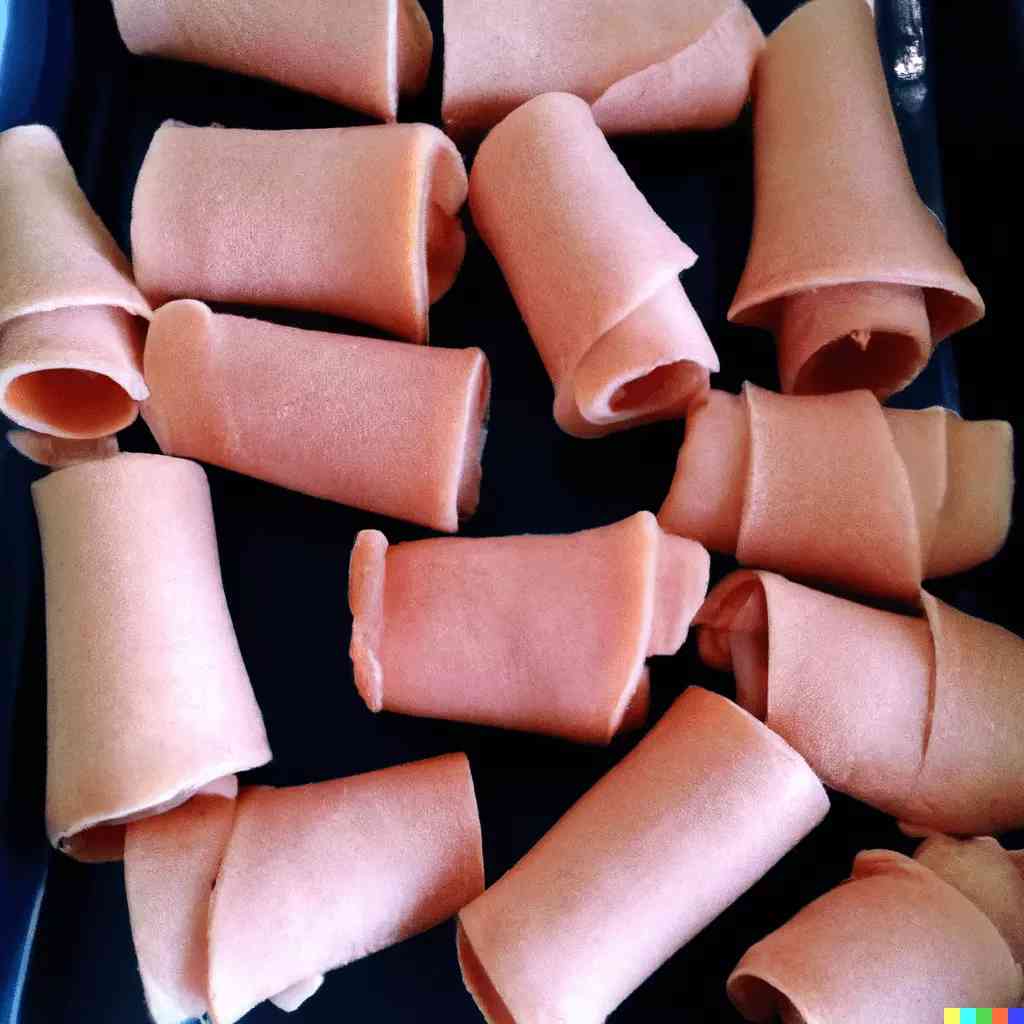
- Cut it into strips with scissors and roll each strip in baking paper. This leather is stickier than a fruit one and will weld itself into a single block if the rolls are left touching.
- Because of the dairy, keep these in the fridge and eat them within a fortnight. They are fine in a lunchbox for the day, which is what they are for.


